Fire? It Will Never Happen to Me!
This is a common misconception when it comes to fire safety. However, statistics show that 95% of businesses that experience a fire fail to recover from such a tragedy.
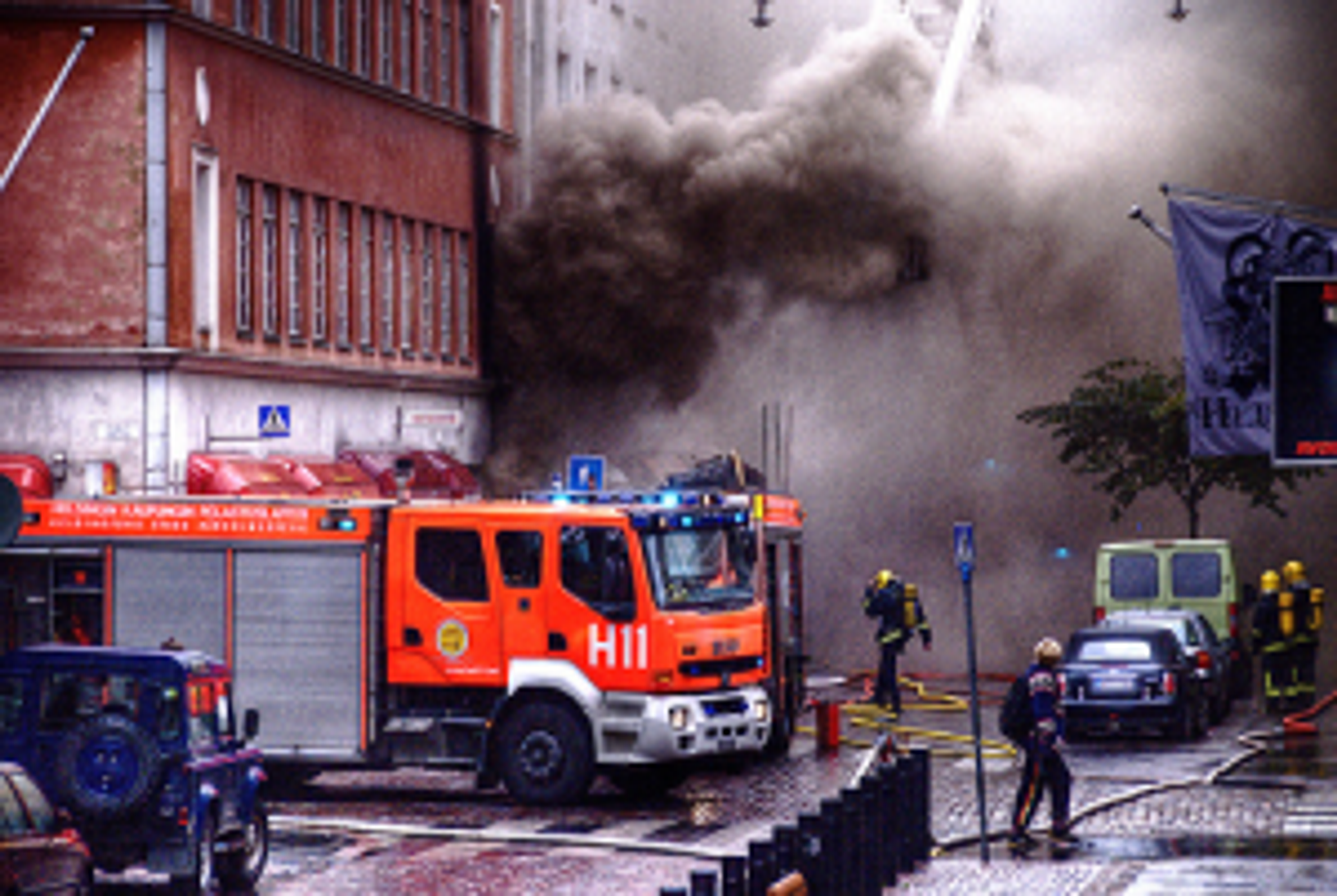
So, What Can We Do to Safeguard Against This?
First, a bit of history: In October 2005, the UK fire safety legislation underwent significant changes. The various parts of fire law were replaced, amended, or simplified to form the Regulatory Reform (Fire Safety) Order 2005 . Prior to this, the fire authority was responsible for visiting premises, conducting fire risk assessments, and issuing fire certificates. Now, the responsibility lies fully with the responsible person to carry out their own fire risk assessments.
The fire service is tasked with policing the RRO and has more authority than the police to enter buildings without a warrant. Fire officers typically look for your fire risk assessment, emergency plan, and fire records. They will inspect the building, and if they find insufficient fire safety measures, they have the power to close it down.
The First Step: Conduct a Fire Risk Assessment
The first thing you must have in place is a fire risk assessment . This is a legal requirement and should be documented if you employ five or more people. However, the fire law extends beyond that; you also require a documented fire risk assessment if you manage, own, or are deemed the ‘responsible person’ for the following:
- Shared houses
- Houses of multiple occupancy (licensed or not)
- Blocks of flats
- Hostels
- Small care homes
- B&Bs, guest houses, holiday lets, and hotels
Are You Competent Enough?
The Regulatory Reform (Fire Safety) Order 2005 (RRO) states that if you feel competent enough, you can conduct your own fire risk assessment. However, many have faced fines and prosecutions from fire authorities for inadequate assessments. Click here for an example. Many companies choose to hire professionally qualified fire risk assessors, which not only saves time and money but can also save lives.
What Comes Next?
Once your fire risk assessment is complete, you should start working on the action plan. This part of the assessment includes a list of prioritized tasks with deadlines for completion. It is crucial to address these tasks promptly, as any delays could jeopardize your fire safety and business continuity.
Your fire risk assessment is a living document and should be reviewed regularly. While there is no set frequency, it is good practice to review it annually. Additionally, if there are changes in your workforce, work practices, or if you have experienced a fire, you should re-examine the assessment.
What Else Should You Know and Do?
If you have fire extinguishers on your premises, they must be serviced annually by a ‘competent’ engineer. Fire alarms should be serviced every six months, and emergency lighting every twelve months. All servicing details must be recorded in a fire log book and made available to fire authorities upon request. If you have fire extinguishers on site, you must be trained to use them and have received training on basic fire awareness. For larger premises, you must also have trained fire wardens.
How Can I Get Help?
If you need assistance with any of the above, we can help. We offer a complete fire safety solution that is both competitive and focused on excellent customer service. Just take a look at our testimonials to see how we can support you.
Premises Type | Fire Risk Assessment Requirement
- Shared Houses: Yes
- Houses of Multiple Occupancy: Yes
- Blocks of Flats: Yes
- Hostels: Yes
- Small Care Homes: Yes
- B&Bs: Yes
- Guest Houses: Yes
- Holiday Lets: Yes
- Hotels: Yes
Frequently Asked Questions (FAQs)
1. What is a fire risk assessment?
A fire risk assessment is a systematic evaluation of your premises to identify potential fire hazards and implement measures to mitigate risks.
2. How often should I review my fire risk assessment?
It is recommended to review your fire risk assessment annually, or when there are significant changes in your premises or workforce.
3. What are the penalties for not complying with fire safety regulations?
Failure to comply with fire safety regulations can result in fines, prosecution, and even imprisonment for serious breaches.