Are Your Fire Doors Up to Standard?
Fire doors are a crucial component of fire safety, designed to save lives and protect property. They provide essential protection within buildings, safeguarding escape routes in staircases and corridors, and ensuring that smoke and fire are contained long enough for occupants to evacuate safely.
Important Facts About Fire Doors
- Fire doors must function correctly to save lives.
- They must be fitted with the appropriate components suited to the door leaf and its intended purpose.
- Installation and maintenance should be performed by competent professionals.
- Correct glazing and ironmongery must be utilized on fire doors.
- Alterations and adaptations should never be made on site.
- A fire door’s performance should never be compromised.
- A fire door should never be wedged or propped open.
- Fire doors must be third-party certified to BS 476 Part 22 or BS EN 1634 Part 1.
- Correct frames must always be used.
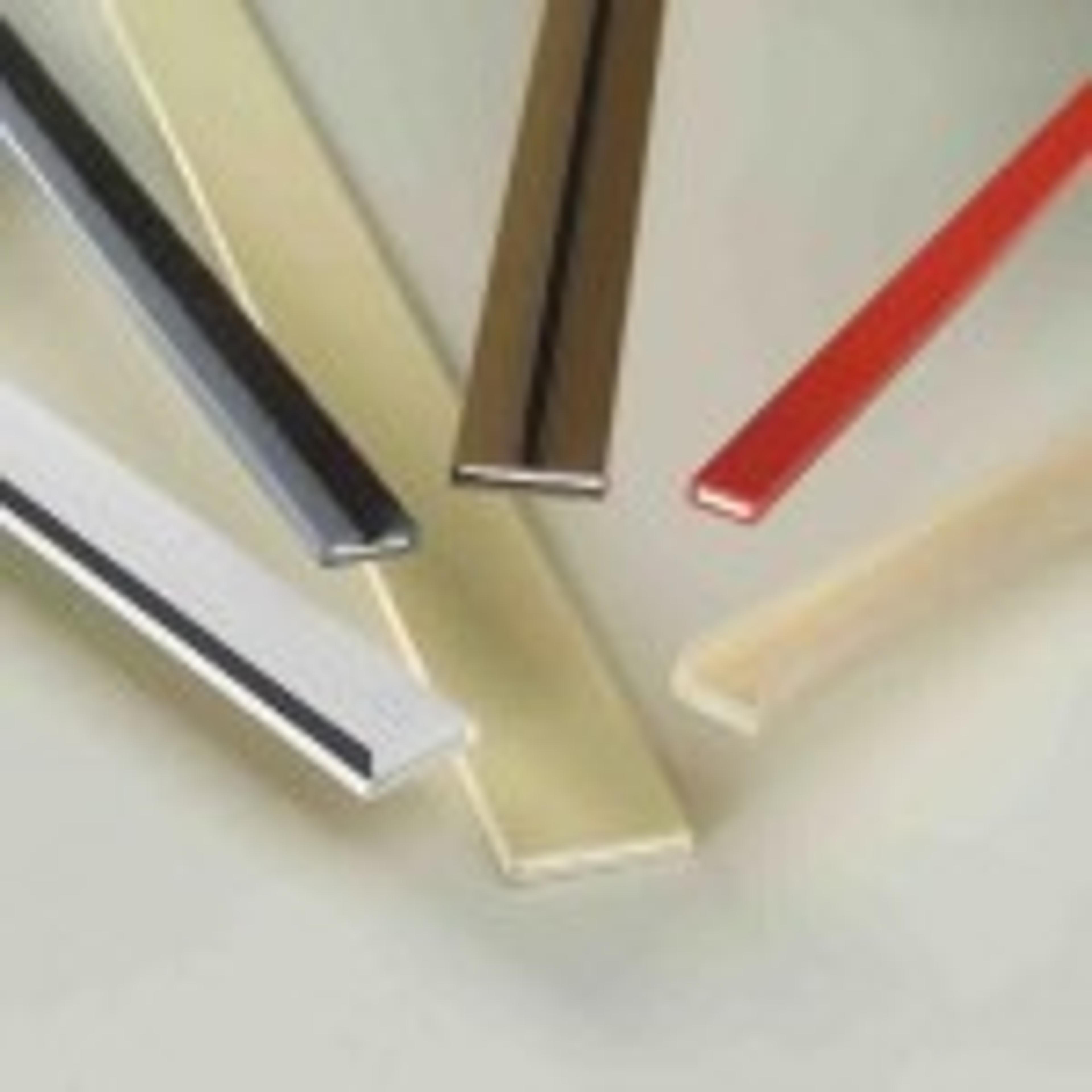
- Intumescent strips should always be included.



Watch This Video to Learn How Fire Doors Should Be Fitted
Do’s & Don’ts of Fire Door Installation
DO
- Specify and use third-party certified fire doors and components.
- Purchase fire doors, frames, and components from certified companies.
- Verify that the certificate matches the door.
- Ensure you have the correct certification for the door’s intended use.
- Install and maintain fire doors using competent personnel.
- Confirm that ironmongery components are CE marked.
DON’T
- Fit a fire door like any other door – it’s an engineered safety device.
- Cut vision panels and other holes on site.
- Patch up a fire door.
- Take risks by reducing the specification.
- Disconnect a fire door closer.
- Prop or wedge open a fire door.
Examples of Poorly Installed Fire Doors


Installing a Fire Door is Not the Same as Installing Normal Doors
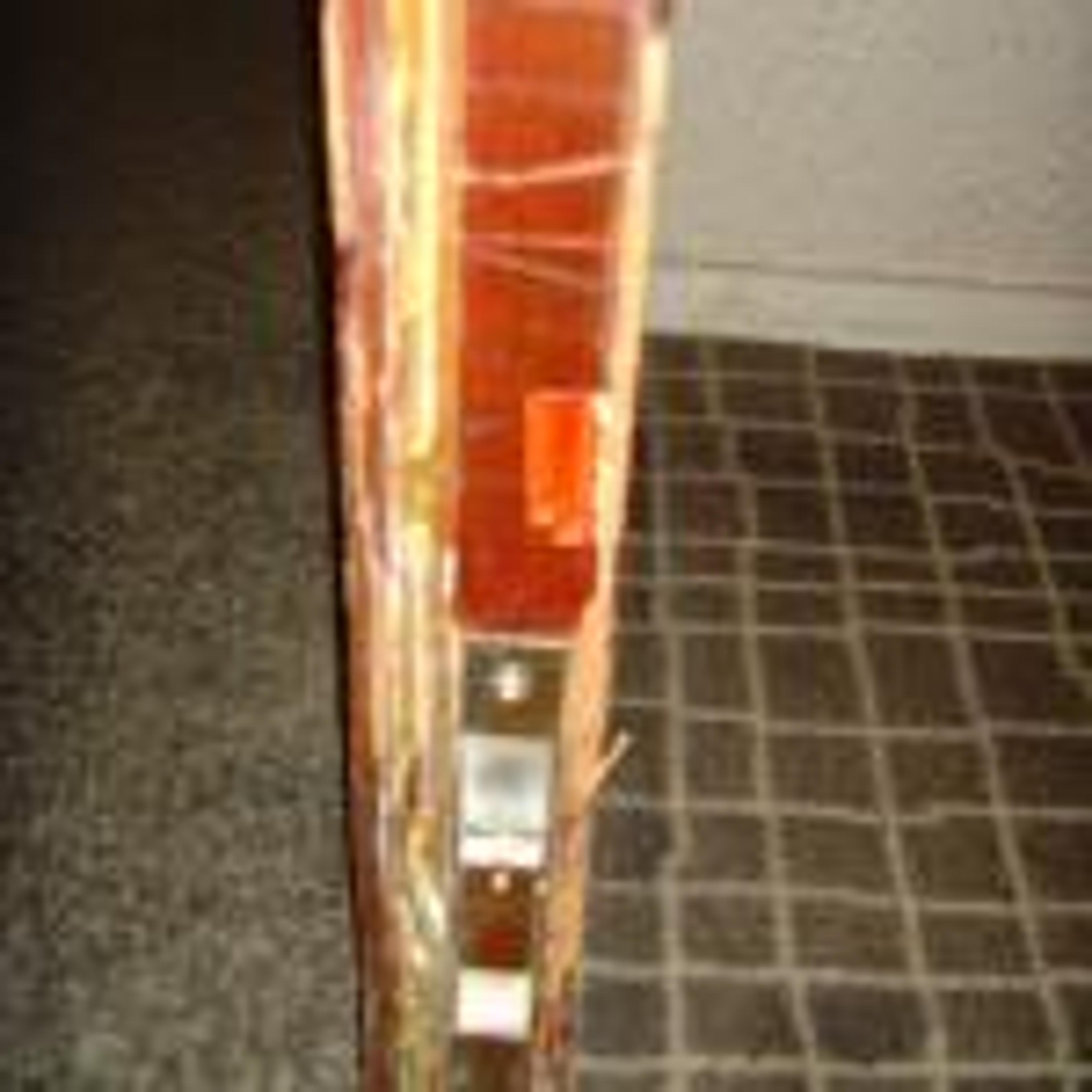
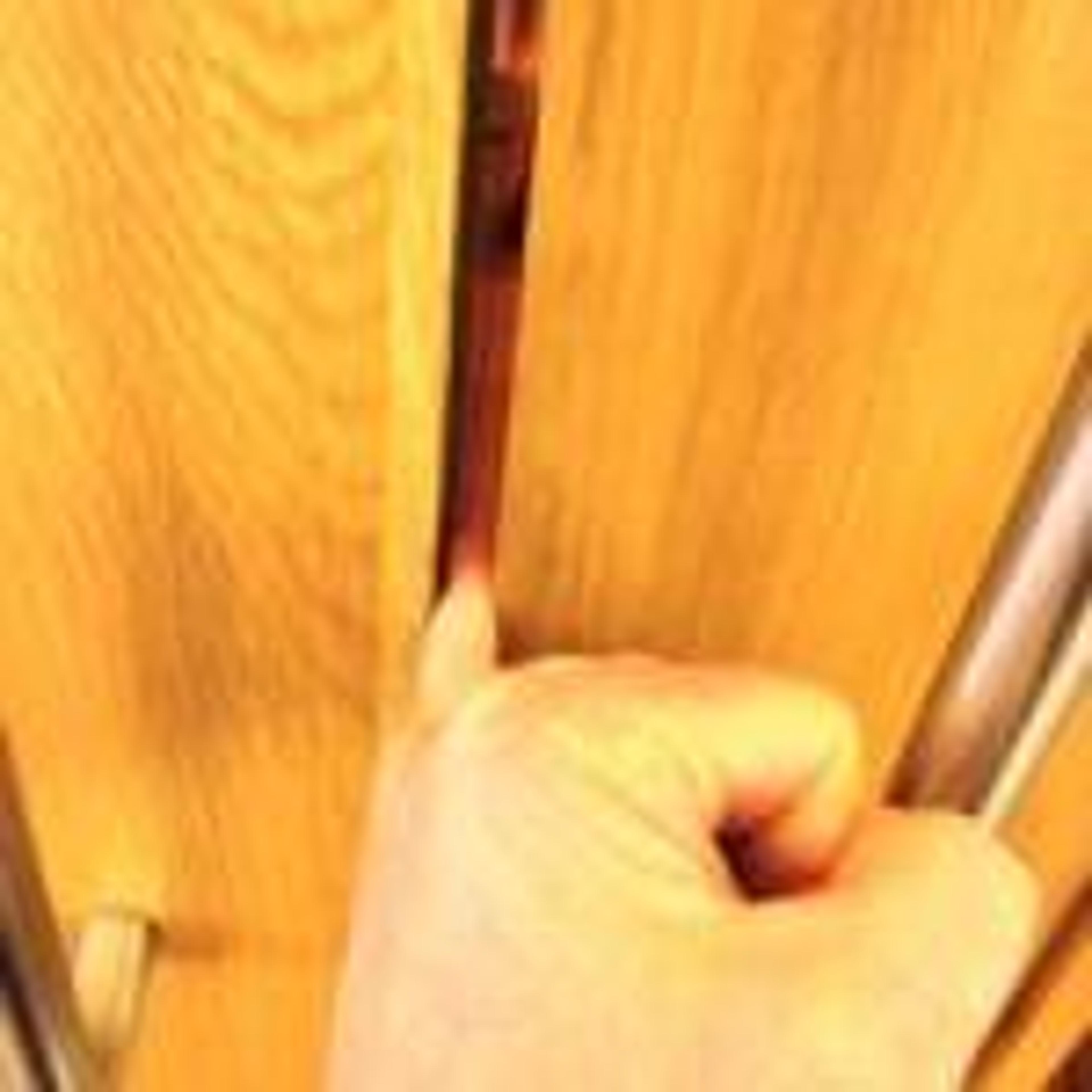
During a recent fire risk assessment for a client, I observed that the construction company they hired either lacked experience in installing fire doors or did not understand the requirements. The gaps between the leaf and frame exceeded 3mm, excessive material had been cut from the doors, many doors wouldn’t close under their own weight, and only two hinges were installed. The owner was understandably upset when I informed him that all the fire doors needed rectification, which would likely involve replacement.
If you would like more information about fire doors, please click here .
Thanks and credit for media goes to the B.W.F and the supporters of Fire Door Safety Week, which can be found here .